Healthy Pets, Happy Lives.

Regular Vet Check-Ups: Why They're Essential for Your Pet
Learn why regular vet check-ups are essential for your pet's health. Discover how preventive care, vaccinations, and routine exams keep dogs and cats healthy.
7/22/20262 min read
Why Are Routine Veterinary Visits Important?
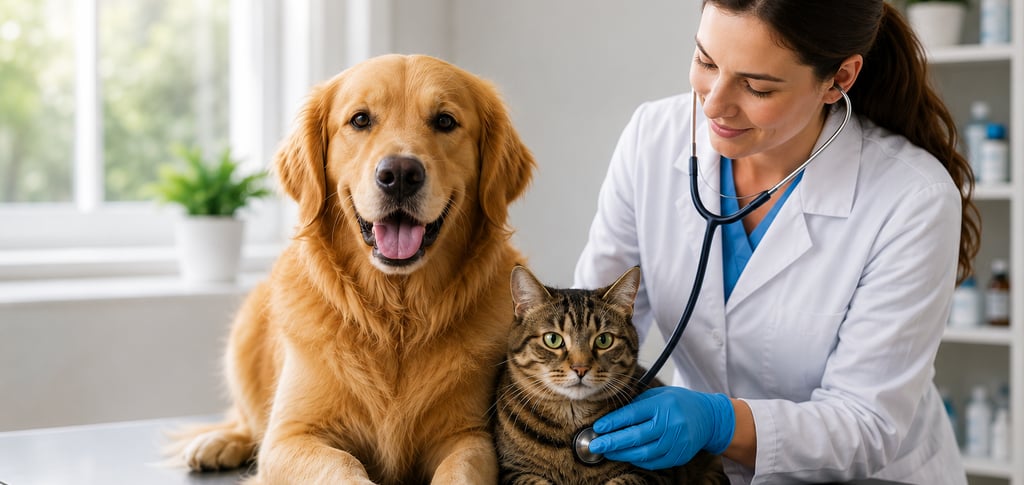
Many illnesses in pets develop gradually and may not show obvious symptoms until they become serious. During a wellness examination, your veterinarian can identify early signs of disease before they become more difficult and expensive to treat.
Regular check-ups also allow your veterinarian to monitor your pet's weight, dental health, heart, lungs, skin, coat, eyes, ears, and overall physical condition.
Benefits of Regular Vet Check-Ups
Early Disease Detection
Routine examinations can help detect conditions such as diabetes, kidney disease, heart disease, arthritis, and infections at an early stage.
Vaccination Updates
Keeping your pet's vaccinations up to date protects them from serious and potentially life-threatening diseases.
Parasite Prevention
Fleas, ticks, heartworms, and intestinal parasites can significantly affect your pet's health. Your veterinarian will recommend the best preventive treatments based on your pet's lifestyle.
Dental Health Care
Dental disease is one of the most common health problems in dogs and cats. Professional dental examinations and cleanings help prevent pain, infection, and tooth loss.
Nutrition and Weight Management
Maintaining a healthy weight reduces the risk of obesity-related conditions such as diabetes and joint disease. Your veterinarian can recommend the ideal diet for your pet.
How Often Should Your Pet Visit the Vet?
Puppies & Kittens: Every 3–4 weeks until their vaccination schedule is complete.
Adult Pets: At least once a year for a comprehensive wellness examination.
Senior Pets (7+ years): Every 6 months to monitor age-related health conditions.
Signs Your Pet Needs Immediate Veterinary Care
Contact your veterinarian immediately if your pet experiences:
Loss of appetite for more than 24 hours
Vomiting or diarrhea that persists
Difficulty breathing
Sudden weakness or collapse
Blood in urine or stool
Difficulty walking
Seizures
Unusual behavior or excessive lethargy
Keep Your Pet Healthy with Preventive Care
Preventive veterinary care is one of the best investments you can make in your pet's health. Regular check-ups not only help detect illnesses early but also provide peace of mind, knowing your companion is receiving the care they deserve.
Whether you have a playful puppy, an energetic cat, or a senior companion, routine veterinary visits are the foundation of a healthy and happy life.
Book your pet's wellness check-up today and give them the care they deserve.